Omega-3s & Longevity - Why Fatty Acids Matter for Pets
Learn how omega-3 fatty acids support your pet's joint health, brain function, heart health, and longevity through powerful anti-inflammatory benefits.
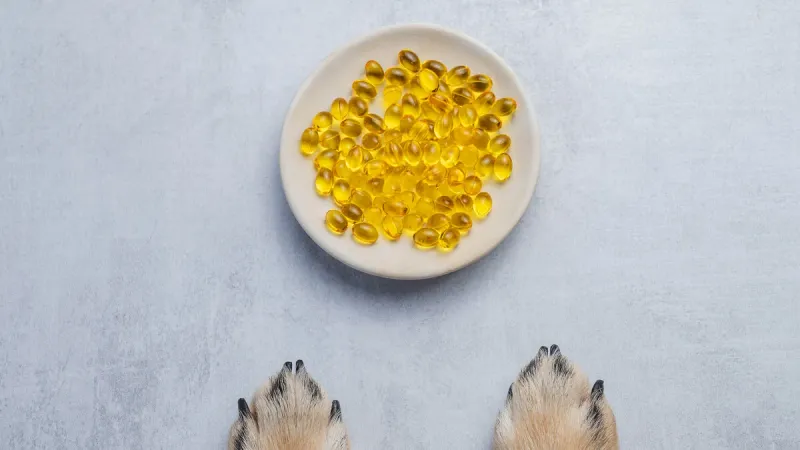
Omega-3 fatty acids are essential nutrients that play a crucial role in maintaining your pet’s overall health. These fats, which include eicosapentaenoic acid (EPA), docosahexaenoic acid (DHA), and alpha-linolenic acid (ALA), have been extensively studied for their impact on inflammation, joint mobility, cognitive function, and immune health.
Because pets cannot produce these fatty acids in sufficient amounts, they must be obtained through diet or supplementation.
The Science Behind Omega-3s: How They Benefit Your Pet
1. Joint Health and Mobility
Pets, especially aging dogs and cats, are prone to arthritis and joint inflammation. Omega-3s have been shown to significantly reduce inflammatory markers in joint fluid, improving mobility and reducing pain (Roush et al., 2010 — Journal of the American Veterinary Medical Association).
EPA and DHA help:
- Slow cartilage degradation
- Reduce joint pain and stiffness
- Improve overall mobility
This makes them a key nutritional intervention for pets with osteoarthritis.
2. Cardiovascular Support
Omega-3 fatty acids help support heart function by:
- Reducing triglyceride levels
- Improving circulation
- Stabilizing heart rhythm
In dogs and cats, these fats are associated with a lower risk of heart disease and improved blood vessel function.
3. Cognitive Function and Neurological Health
DHA is essential for brain development in young pets and cognitive maintenance in aging animals. Studies suggest that omega-3s help:
- Prevent cognitive decline in older dogs and cats
- Reduce symptoms of disorientation and memory loss
- Support overall brain health and neuroplasticity
4. Skin and Coat Health
Pets suffering from dry skin, allergies, or excessive shedding can benefit from omega-3 supplementation. These fatty acids:
- Strengthen the skin barrier
- Reduce itching and inflammation
- Promote a glossy, healthy coat
- Help manage allergic skin conditions
5. Immune System and Inflammation Control
Chronic inflammation is a leading cause of many diseases, including:
- Kidney disease
- Inflammatory bowel disease
- Cancer
- Arthritis
Omega-3s act as natural anti-inflammatory agents, helping to modulate the immune response and reduce inflammation throughout the body.
Best Sources of Omega-3 Fatty Acids for Pets
Marine-Based Sources (EPA & DHA)
These are the most bioavailable and effective sources:
- Wild-caught fish: Salmon, sardines, anchovies, and mackerel
- Krill oil: A potent, bioavailable source of EPA and DHA
- Green-lipped mussels: Naturally rich in ETA, a unique anti-inflammatory omega-3
- Algal oil: A plant-based alternative high in DHA
Plant-Based Sources (ALA)
While less efficiently converted to EPA and DHA:
- Flaxseeds and chia seeds: Provide ALA, though pets convert it inefficiently to EPA and DHA
- Ahiflower oil: A superior plant-based omega-3 source with a higher conversion rate
- Hempseed oil: Contains both omega-3 and anti-inflammatory omega-6 GLA
Balancing Omega-3 and Omega-6 Ratios
While omega-6 fatty acids are essential for cell function, an imbalance can contribute to chronic inflammation. Many commercial pet foods contain excessive omega-6s from sources like poultry fat and vegetable oils.
The Ideal Balance
The ideal ratio of omega-6 to omega-3 varies by species but typically ranges from 4:1 to 10:1.
- Excess omega-6 can promote inflammation
- Adequate balance supports skin health, immune function, and longevity
Making it crucial to supplement with omega-3s for optimal balance.
Choosing the Right Omega-3 Supplement
What to Look For:
High EPA & DHA content: Ensure the supplement contains clinically effective doses
Purity & Sustainability: Look for products:
- Tested for heavy metals and contaminants
- Sustainably sourced (wild-caught fish, krill, or algae-based options)
Added antioxidants: Vitamin E helps prevent oxidation of omega-3s
Pet-specific formulations: Some human fish oils may contain additives harmful to pets
Dosage Recommendations:
Dosage depends on your pet’s weight, species, and health status. Consult your veterinarian, but general guidelines suggest:
- Dogs: 20–55 mg of EPA+DHA per pound of body weight per day (Lenox & Bauer, 2013 — Journal of Veterinary Internal Medicine)
- Cats: Require direct sources of EPA and DHA due to poor ALA conversion (NRC Nutrient Requirements of Dogs and Cats, 2006)
- Horses: Benefit from flaxseed-based omega-3s, but algae-based DHA may be more effective for inflammation
How to Incorporate Omega-3s Into Your Pet’s Diet
Food-Based Approaches
- Add small portions of cooked salmon or sardines to meals
- Choose pet foods formulated with fish or fish oil
- Rotate protein sources to include omega-3-rich fish
Supplementation
- Liquid fish oil can be mixed with food
- Soft gel capsules can be given directly or punctured and mixed with meals
- Powdered supplements can be sprinkled on food
Storage Tips
Omega-3s are sensitive to heat and light:
- Store supplements in a cool, dark place
- Keep fish oil refrigerated after opening
- Check expiration dates regularly
- Look for supplements with added vitamin E to prevent rancidity
Signs Your Pet May Need Omega-3 Supplementation
Watch for these indicators:
- Dry, flaky skin or excessive dandruff
- Dull, brittle coat
- Chronic ear infections
- Joint stiffness or difficulty moving
- Cognitive changes in senior pets
- Inflammatory conditions like IBD or arthritis
Final Thoughts: Omega-3s for Lifelong Vitality
Incorporating omega-3s into your pet’s diet is a proactive step toward ensuring a long, healthy, and active life. From joint health and cognition to cardiovascular support and skin vitality, these essential fats offer a powerful array of benefits.
Whether through high-quality food, fresh fish, or a trusted supplement, making omega-3s a staple in your pet’s nutrition plan can help:
- Reduce disease risks
- Enhance quality of life
- Support healthy aging
- Improve overall vitality
As always, consult your veterinarian before introducing new supplements, ensuring that your pet receives the appropriate balance of omega fatty acids for their specific needs.
This article is for informational purposes only and should not replace professional veterinary advice.
Track Your Pet's Health Journey
Monitor symptoms, track vet visits, and get intelligent insights about your pet's health—all in one place.
Part of the "Nutrition for Longevity" series
This is part 1 of our Nutrition for Longevity series.
View all articles in this series →